Brick Pointing NYC
Brick pointing in NYC for walls where the mortar has worn, cracked, or started falling out. We grind out the damaged joints and repoint them with mortar matched to your brick, across Manhattan, Brooklyn, Queens, the Bronx, and Westchester.
- Licensed & Insured
- Mortar Color Matched
What Is Brick Pointing?
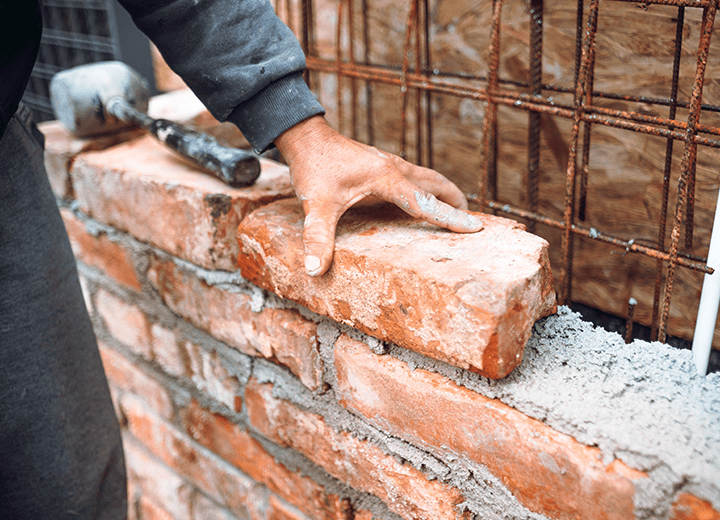
Brick pointing, also called repointing, is the process of removing worn mortar from the joints between bricks and replacing it with fresh mortar. The bricks themselves stay in place. Only the mortar is renewed, which seals the wall against water and keeps the brick locked together.
Mortar is meant to wear out before the brick does. Over years of NYC winters, rain works into the joints, freezes, and slowly breaks the mortar down until it turns sandy, cracks, or falls out. Repointing at that stage protects the brick. Waiting too long lets water reach the brick itself, and that’s when a pointing job turns into a brick repair job.
Brick Pointing in NYC Done the Right Way
The difference between pointing that lasts and pointing that fails in a few years comes down to three things. The old mortar has to be removed deep enough, the new mortar has to suit the brick, and the joints have to be packed and finished properly. We don’t smear new mortar over old joints, and we don’t use a mix that’s harder than the brick around it.
What Pointing Fixes
Open, cracked, and crumbling joints that let rain soak into the wall and freeze inside it.
What It Protects
The brick faces, the wall behind them, and the interior finishes that water eventually reaches.
When It's Not Enough
Cracked or spalled bricks need brick repair, and cracks above windows often point to a failing steel lintel.
Signs Your Brick Walls Need Repointing
Mortar failure is easy to miss from the sidewalk but easy to spot up close. Run your hand along a joint, and if it’s sandy or crumbles under your finger, the wall is due.
These are the signs we see most on NYC walls, and any one of them is worth an inspection before the next winter.
Recessed Joints
Mortar sitting well behind the face of the brick.
Cracks Along the Joints
Hairline or stair-step cracks running through the mortar.
Damp Interior Walls
Stains or peeling paint on the inside of an exterior wall.
Sandy or Powdery Mortar
Mortar that rubs away when touched.
Gaps and Missing Mortar
Open holes where mortar has fallen out entirely.
Loose Bricks
Bricks that shift because the mortar no longer holds them.
How We Repoint Brick in NYC
Every brick pointing job follows the same four steps, whether it’s one chimney face or a full building wall.
01
Joint Inspection
We check how deep the damage goes and whether any bricks need replacing too.
02
Grinding Out Old Mortar
Damaged mortar is removed to the proper depth without chipping the brick edges.
03
Repointing & Tooling
Fresh mortar is packed into the joints and tooled to match the original joint shape.
04
Cleanup & Curing
Brick faces are cleaned of mortar residue, and the new joints are protected while they cure.
NYC Rules That Affect Brick Pointing
Most pointing is straightforward, but in New York City the building type and location can add requirements. We check these before we quote.
Scaffolding & Sidewalk Sheds
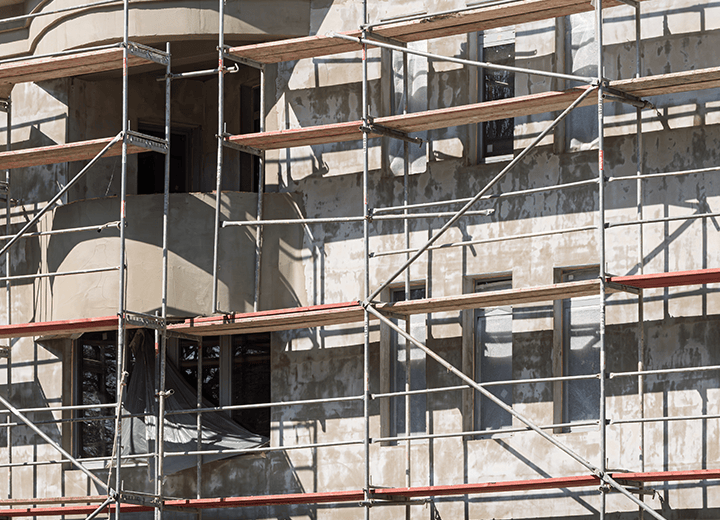
Pointing high walls often needs scaffolding or a sidewalk shed, and both need their own permits in NYC.
Landmarks & Historic Districts
Landmarked buildings and buildings in historic districts generally need Landmarks Preservation Commission approval, which can affect mortar and methods.
Local Law 11 Buildings
On buildings taller than six stories, repointing is one of the most common repairs listed in FISP reports.
What Affects Brick Pointing Cost in NYC
Every wall is different, so we price brick pointing after seeing it. These are the four things that move the number most.
Size of the Wall
The total area of brick that needs repointing.
Condition of the Joints
How deep the damage goes and how much mortar has to come out.
Height & Access
Ladders, lifts, scaffolding, or sidewalk protection for upper floors.
Mortar Matching
Custom color and mix matching for older or visible walls.
Why Choose Us for Brick Pointing in NYC
Bad pointing is common, and it’s often worse than no pointing at all. Mortar smeared over old joints or mixed too hard can crack the brick it was meant to protect. We do it the slow, correct way.
Joints Cut to Proper Depth
Old mortar fully removed, not covered over.
Clean Brick Faces
No mortar smears left on the brick when we finish.
Mortar Mixed for Your Brick
Color and strength suited to the wall, so the brick isn't damaged.
Honest Scope
We repoint what needs it, not the whole wall by default.
What NYC Customers Say About Our Brick Pointing
4.6 /5
“The mortar joints on our brick wall were worn and crumbling in several areas. The pointing work came out very neat and the new mortar blends nicely with the older brick.”
Recent Brick Pointing Projects in NYC
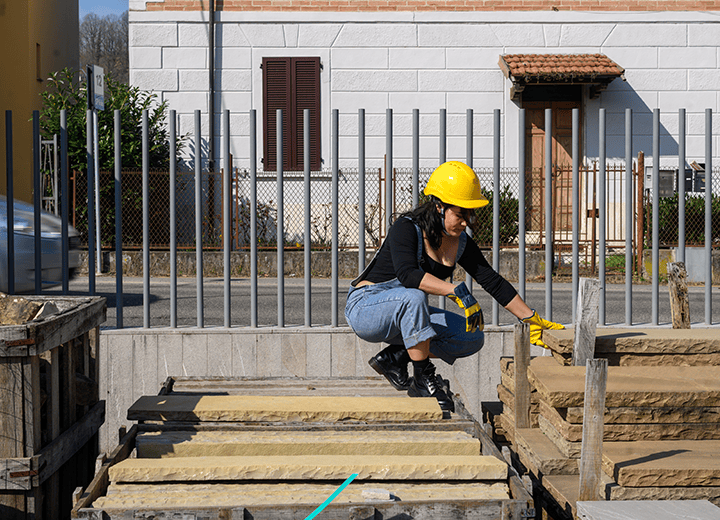
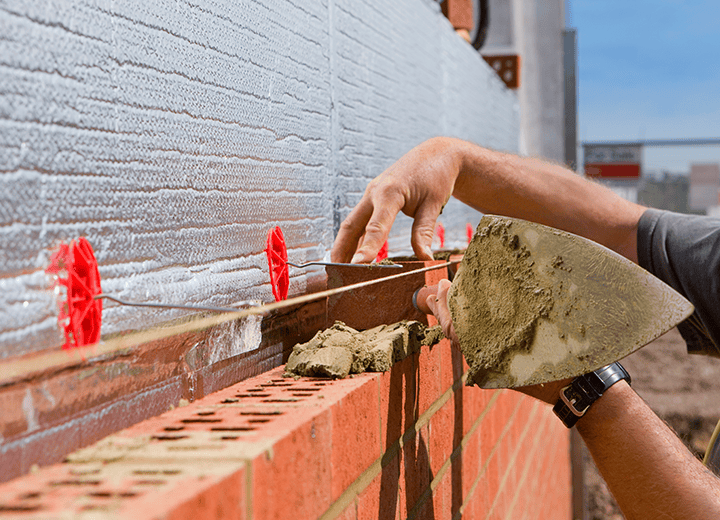
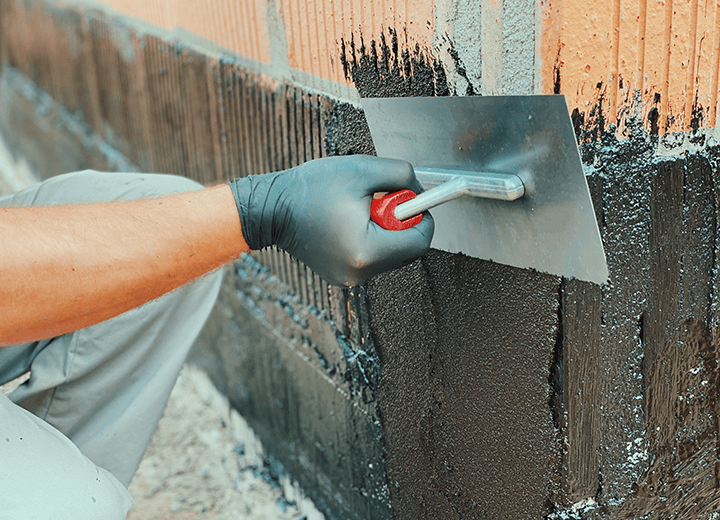
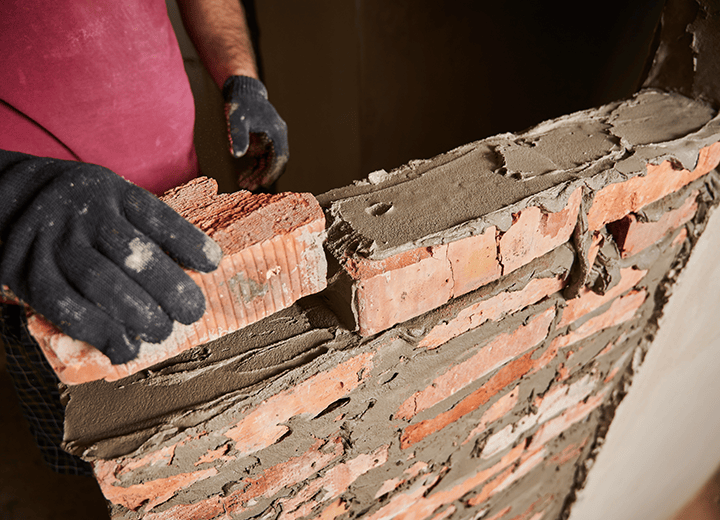
Related Masonry Services in NYC
Brick Pointing Across NYC & Westchester
We repoint brick homes, row houses, and apartment buildings in four NYC boroughs and Westchester County.
- Bronx
- Brooklyn
- Manhattan
- Queens
- Westchester
Brick Pointing FAQs
Well-done pointing usually lasts for decades. Walls facing heavy weather, chimneys, and parapets wear out faster than sheltered walls. The best guide is the condition of the joints, so if the mortar is recessed, sandy, or cracking, it's time.
Pointing and repointing mean the same thing, replacing worn mortar in the joints. Tuckpointing is a specific finishing technique that uses a contrasting line of mortar, though many people use the word to mean repointing.
Yes. We match the color, texture, and joint shape of your existing mortar, so repointed areas blend in with the rest of the wall instead of standing out as patches.
It depends on the job. Scaffolding and sidewalk sheds need their own permits, and landmarked buildings generally need Landmarks Preservation Commission approval. We confirm what your project requires before we quote.
Fresh mortar needs time to cure above freezing, so pointing is best done in milder weather. We schedule work for suitable conditions, and in colder months we'll tell you honestly if waiting will give you a better result.