
Retaining Wall Contractor NYC
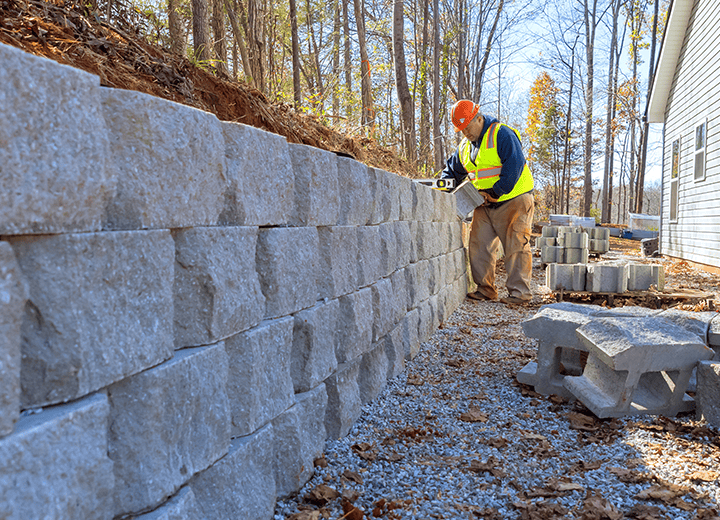
Retaining wall contractor in NYC for stone and block walls that hold back soil on sloped yards, driveways, and property lines. We build new retaining walls, repair leaning and cracked ones, and fix the drainage behind them so the wall stays standing.
- Stone & Block Retaining Walls
- Drainage Built Into Every Wall
What a Retaining Wall Contractor Builds and Repairs in NYC
A retaining wall holds back soil where the ground changes level, along a sloped backyard, beside a driveway cut into a hill, or at the edge of a property that sits higher than the street. A retaining wall contractor builds these walls from stone or masonry block, repairs them when they start to lean or crack, and installs the drainage that keeps water from building up behind them.
Across the city, from hillside streets in the Bronx to raised lots in Queens and Brooklyn, many retaining walls were built decades ago with little or no drainage. Every heavy rain soaks the soil behind them, and wet soil pushes much harder than dry soil. Year after year, that pressure tips the wall forward, opens cracks, and loosens stones, until a wall that looked fine starts to bulge toward the sidewalk.
Retaining Walls in NYC Fail From Behind
What you see on the face of a retaining wall is the result of what’s happening behind it. Water that can’t drain, a base that has settled, or soil that has washed out will eventually show up as a lean, a bulge, or a crack. That’s why we don’t just fix the face. Every wall we build or rebuild gets a solid base and a drainage path for the water behind it.
New Stone & Block Walls
Retaining walls built from natural stone or masonry block, set on a proper base and sized for the slope they hold.
Repairs & Resetting
Displaced stones reset, open joints repointed, and damaged sections rebuilt before the wall moves further.
Drainage Behind the Wall
Gravel, drain pipe, and weep openings that let water out instead of letting it push the wall over.
Warning Signs in a Retaining Wall
Retaining walls move slowly, which makes the early signs easy to overlook. Standing back and sighting along the top of the wall is one of the best ways to spot trouble.
Any of the following means soil or water is winning against the wall, and the sooner it’s addressed, the smaller the repair.
Leaning Forward
The top of the wall tipping toward the low side.
Cracks & Displaced Stones
Stones or blocks that have shifted, cracked, or fallen out.
Soil Washing Out
Soil escaping at the base or through gaps in the wall.
Bulging Face
A section pushing outward in the middle of the wall.
Water That Won't Drain
Wet soil, clogged weep holes, or water seeping through the face.
Gaps at the Ends
The wall pulling away from steps, fences, or the building.
How We Build and Rebuild Retaining Walls in NYC
A retaining wall is only as good as the ground it sits on and the drainage behind it, so that’s where our work starts.
01
Site & Soil Review
We look at the slope, the soil, how water moves on the site, and what the wall has to hold.
02
Excavation & Base
The ground is dug out and a firm, level base is built for the wall to stand on.
03
Wall Construction
Stone or block is set course by course, stepped back into the slope where the design calls for it.
04
Drainage & Backfill
Drainage stone and pipe go in behind the wall before the soil is backfilled and compacted.
NYC's Retaining Wall Inspection Law
Some retaining walls in the city have their own inspection requirement, similar in spirit to Local Law 11 for facades.
Walls That Need Inspection
A retaining wall that is ten feet or taller at any point and faces a public right-of-way must be inspected once every five years.
Who Inspects It
The inspection has to be done by a Qualified Retaining Wall Inspector, a licensed engineer designated by DOB, who files the report and rates the wall.
Repairs After the Report
When the report calls for resetting stones, repointing, or drainage repairs, that's the work we handle.
Retaining Wall Cost Factors in NYC
Retaining walls are priced by what they have to hold and where they sit. Here’s what shapes the cost of yours.
Height & Length
Taller and longer walls need more material and a stronger base.
Wall Material
Natural stone, masonry block, or matching an existing wall.
Drainage & Soil
How much drainage is needed and the condition of the soil behind.
Site Access
Open driveways versus tight backyards where material is carried by hand.
What You Get With Our Retaining Wall Team
Most failed retaining walls we’re called to were built to look good on the day they were finished. We build them to still be standing straight after twenty winters of rain and frost.
Drainage Built In
No wall leaves our hands without a way for water to escape.
Engineer Coordination
We work with engineers on tall walls and inspection reports.
Solid Base First
The footing gets as much care as the face you see.
Tight Sites Handled
Careful work in narrow NYC yards and shared property lines.
Homeowners and Boards on Our Retaining Walls
4.6 /5
“We needed a new retaining wall along the side of our property where the ground had started shifting. The team explained the construction process clearly and built a solid wall that looks clean and well finished.”
Retaining Wall Projects Across NYC
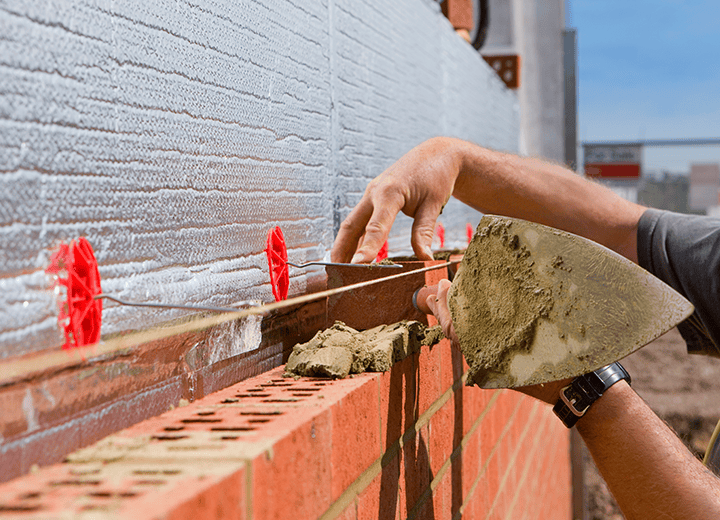
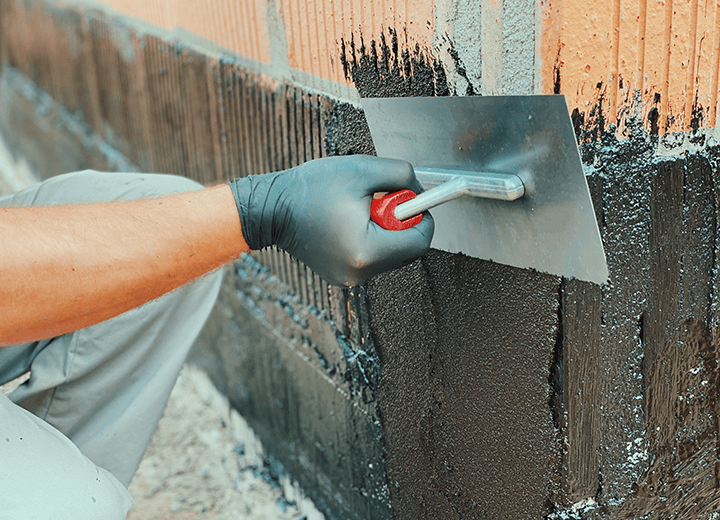
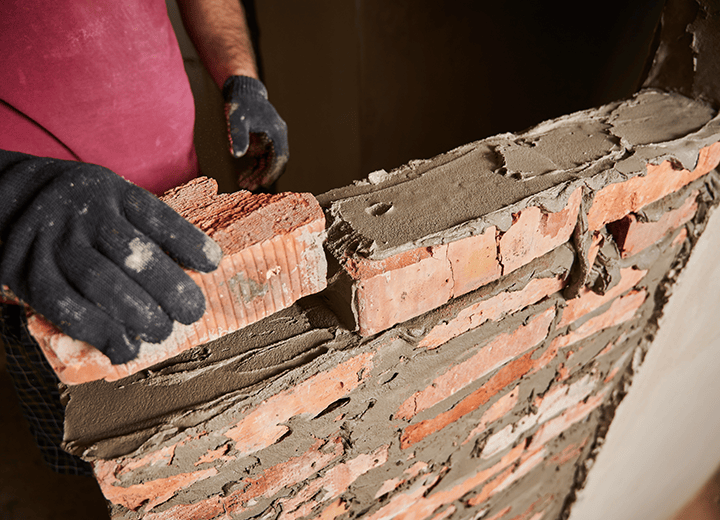
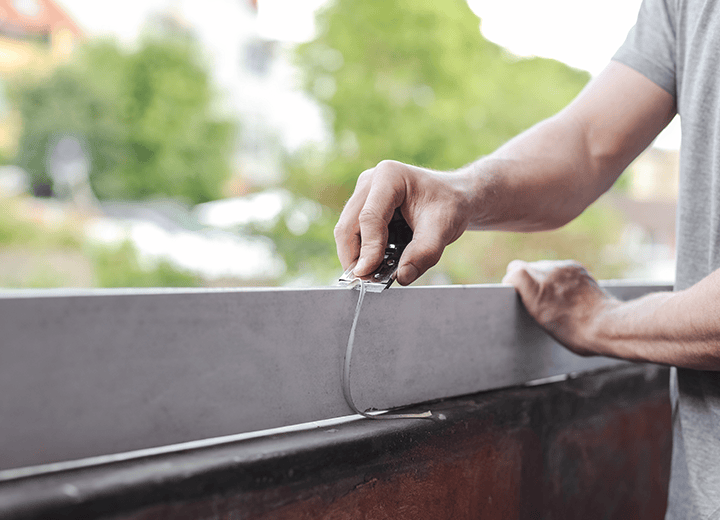
Related Masonry Services in NYC
Retaining Wall Services in NYC & Westchester
We build and repair retaining walls on sloped lots, hillside streets, and raised properties throughout four NYC boroughs and Westchester County. The five-year retaining wall inspection is a New York City requirement and doesn’t apply in Westchester, where local rules govern new walls.
- Bronx
- Brooklyn
- Manhattan
- Queens
- Westchester
Retaining Wall Contractor FAQs
It does if any part of the wall is ten feet or taller and it faces a public right-of-way, such as a sidewalk or street. Those walls must be inspected by a Qualified Retaining Wall Inspector every five years. The current cycle runs from 2024 through 2028, with a different filing year for each borough.
No. The inspection and report must come from a Qualified Retaining Wall Inspector, who is a licensed engineer designated by DOB. We handle the repairs the report calls for. Neighbors who share one retaining wall can also hire a single inspector for it.
The most common cause is water. When soil behind the wall can't drain, it gets heavier and pushes harder, especially after storms and during freeze-thaw. A settled base, tree roots, and extra weight at the top, like parked cars or new fill, can add to the problem.
Small displacements can often be reset and repointed, along with drainage repairs. Once a wall has leaned or bulged significantly, rebuilding the affected section with a proper base and drainage is usually the only lasting fix, and taller walls should involve an engineer.
It depends on the wall. Taller walls, and walls that support a driveway, building, or sidewalk, are generally designed by an engineer and can require DOB permits. We'll tell you what your wall needs before the job is quoted.