
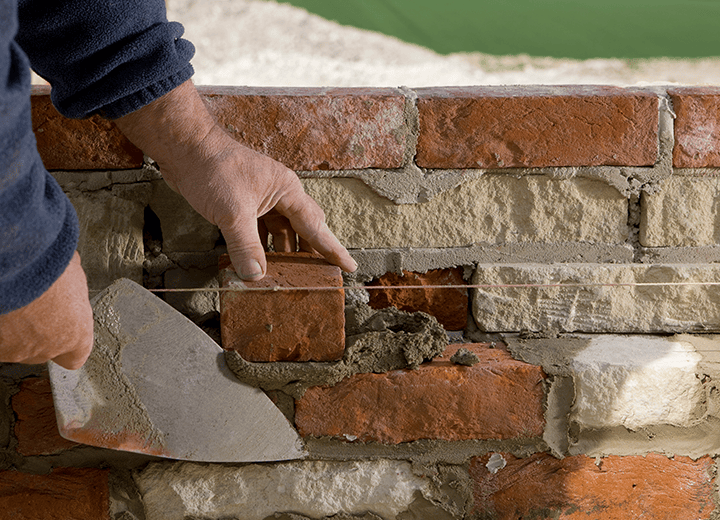
Brick Repair NYC
Brick repair in NYC for spalled, cracked, and loose bricks. We cut out damaged brick and replace it with brick matched to your building, on homes, row houses, and apartment buildings across Manhattan, Brooklyn, Queens, the Bronx, and Westchester.
- Brick Matched to Your Building
- No-Obligation Estimates
What Is Brick Repair?
Brick repair is the work of removing damaged bricks from a wall and replacing them with sound ones, without disturbing the healthy brick around them. It’s needed when the brick itself has failed, whether the face has flaked off, the brick has cracked through, or it has come loose from the wall.
In New York City, the most common cause is spalling. Water soaks into the brick, freezes, and expands, and after enough winters the face of the brick pops off and leaves a crumbling surface behind. Once that surface is exposed, the brick absorbs water even faster, so a few damaged bricks this year can become a whole section in a few years.
Brick Repair in NYC That Blends In and Holds Up
A good brick repair does two things. It removes every brick that has failed, and it replaces them so well that you can’t tell which ones are new. That takes careful cutting so the surrounding brick isn’t damaged, replacement brick that matches in size, color, and texture, and mortar that ties the new brick into the old wall. We also look for why the brick failed, because replacing brick without fixing the cause just means doing it again.
Replacement, Not Patching
Damaged brick is cut out and replaced, not covered with coatings or patching compound that peels off in a year or two.
Matched to the Wall
Replacement brick chosen to match your building's size, color, and texture, including hard-to-find sizes on older buildings.
Cause Fixed First
If worn joints, a rusting lintel, or a leak caused the damage, we address it through brick pointing, lintel replacement, or waterproofing.
Signs Your Brick Needs Repair
Brick damage tends to show up after winter, when water that got into the wall has had months to freeze and thaw. Spring is usually when owners first notice it.
If you see any of these on your walls, the brick itself is failing and the damaged units should be replaced before the damage spreads.
Spalled Brick Faces
The outer face flaking or popping off.
Loose or Missing Bricks
Bricks that wobble, shift, or have already fallen out.
Hollow-Sounding Bricks
Bricks that sound hollow when tapped, a sign they've separated behind the face.
Cracks Through the Brick
Cracks running across the brick itself, not just the mortar.
Crumbling Brick Edges
Corners and edges turning to powder or breaking away.
Damage Around Old Fixtures
Broken brick around old railings, anchors, sign mounts, and pipes.
How We Repair Brick in NYC
Our brick repair process is built around two goals, protecting the healthy brick and making the new brick disappear into the wall.
01
Damage Survey
We mark every failed brick and look for the cause behind the damage.
02
Careful Removal
Damaged bricks are cut out by hand without cracking the bricks around them.
03
Matched Replacement
New brick is set in mortar matched to the wall, in color, strength, and joint shape.
04
Cleanup and Final Check
The wall is cleaned, and we check the repair with you before we leave.
NYC Rules That Affect Brick Repair
Replacing brick is usually simple from a City point of view, but a few situations bring extra requirements.
Landmark Brick Matching
On landmarked buildings and in historic districts, replacement brick generally needs Landmarks Preservation Commission approval so it matches the original.
Larger Wall Rebuilds
Rebuilding larger sections of a brick wall can need DOB permits, and high work over the sidewalk needs proper protection for pedestrians.
Local Law 11 Buildings
Spalled and loose brick is often flagged in FISP reports on buildings over six stories.
What Affects Brick Repair Cost in NYC
Brick repair is priced by what we find on the wall. These four factors make the biggest difference.
Number of Bricks
How many bricks have failed and how spread out they are.
Brick Matching
Standard brick or harder-to-find sizes and colors on older buildings.
Location on the Building
Ground-level repairs versus upper floors needing lifts or scaffolding.
Underlying Repairs
Pointing, lintel, or leak repairs needed to stop the damage coming back.
Why Choose Us for Brick Repair in NYC
Anyone can knock out a bad brick and push in a new one. The skill is in doing it without damaging the wall around it, and in finishing it so the repair can’t be spotted from across the street.
Close Brick Matches
We take the time to find brick that fits your wall.
Cause Addressed
We tell you why the brick failed and how to stop it.
Surgical Removal
Only failed bricks come out, and neighbors stay intact.
No Cover-Ups
No paint, coatings, or patches hiding damaged brick.
What NYC Customers Say About Our Brick Repair
4.6 /5
“We had cracked and loose bricks around the front façade. The damaged sections were repaired neatly and the replacement bricks match the existing wall really well.”
Recent Brick Repair Projects in NYC
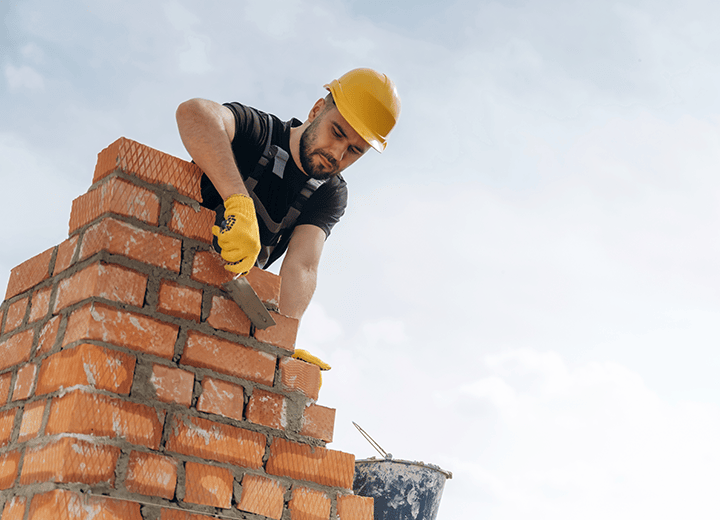
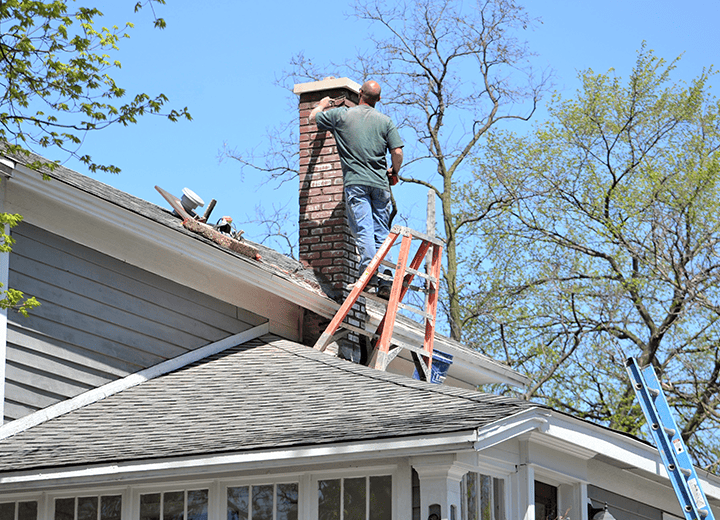
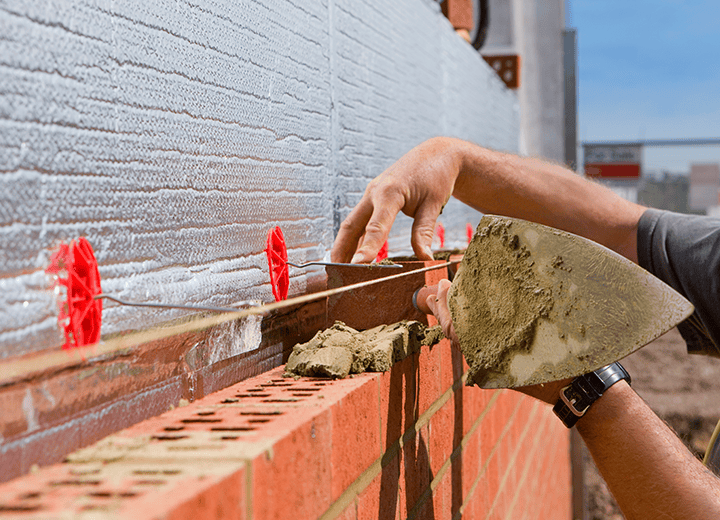
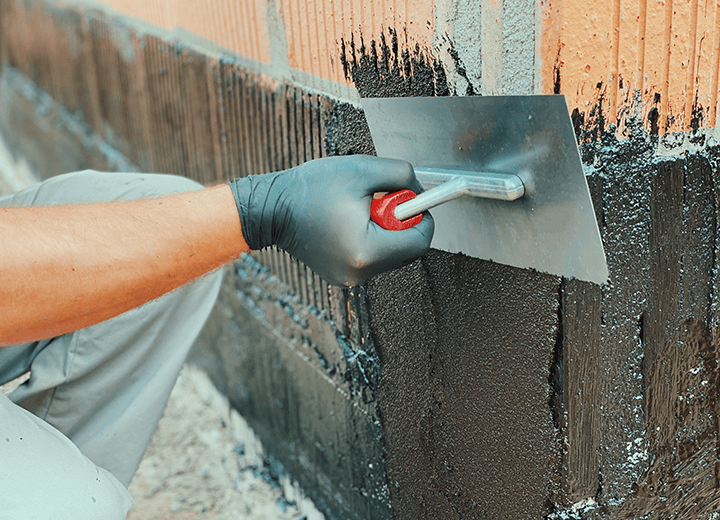
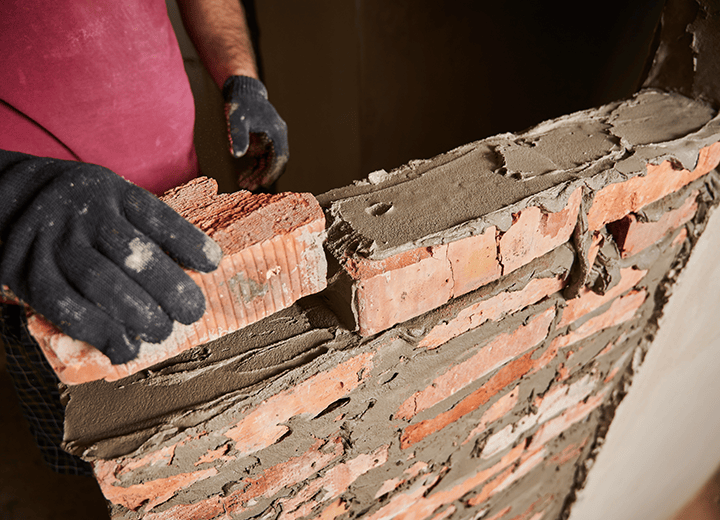
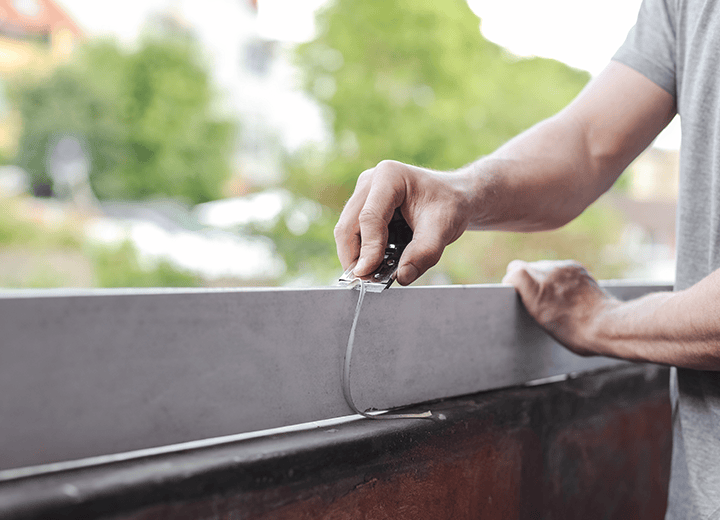
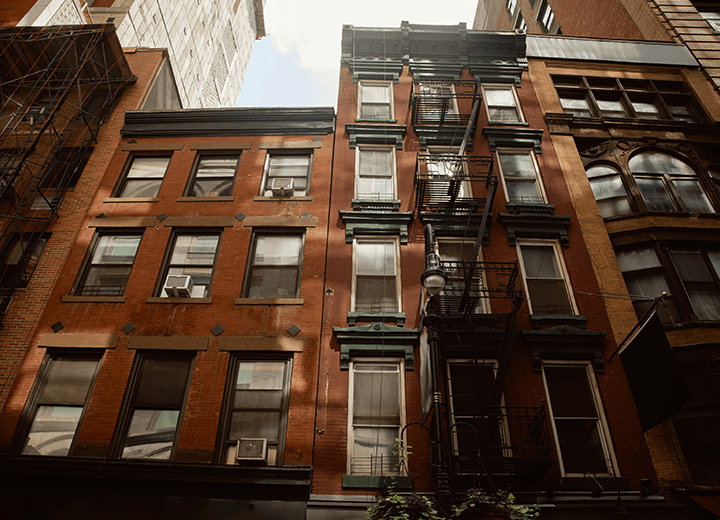
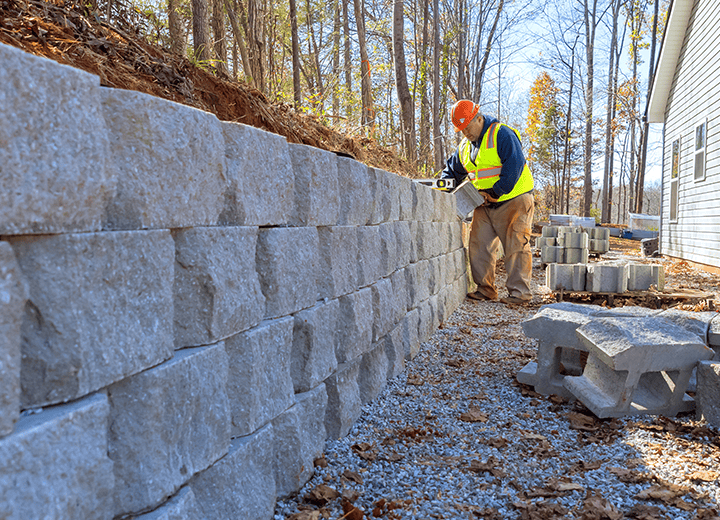
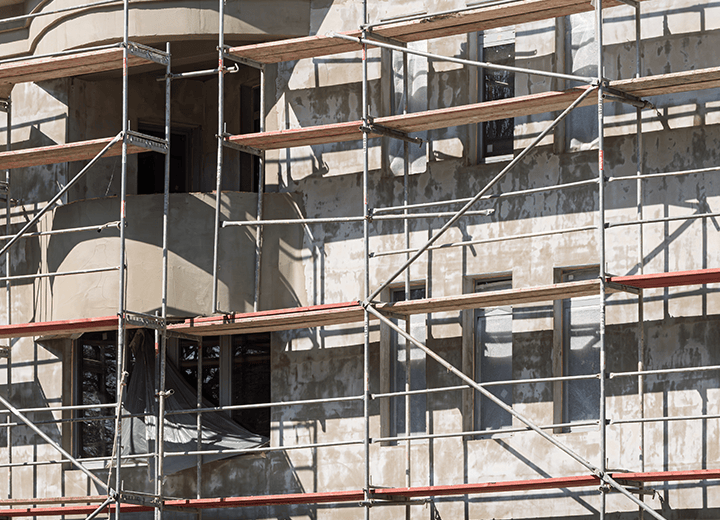
Related Masonry Services in NYC
Brick Repair Across NYC & Westchester
We repair and replace brick on houses, row homes, and small apartment buildings throughout four NYC boroughs and Westchester County.
- Bronx
- Brooklyn
- Manhattan
- Queens
- Westchester
Brick Repair FAQs
Patching compounds and coatings can make a spalled brick look better for a while, but they usually trap moisture and peel off within a few seasons, often taking more of the brick with them. Replacing the damaged brick is the repair that lasts.
Many NYC buildings use brick sizes and colors that aren't standard today. We source replacement brick from suppliers and reclaimed stock to match the size, color, and texture of your wall as closely as possible.
The main causes are water and freezing. Worn mortar joints, leaks, and coatings that trap moisture let water into the brick, and each freeze-thaw cycle breaks it down further. Mortar that's harder than the brick can also crack it over time.
A few spalled bricks are a maintenance issue, but loose bricks can fall, especially from upper floors, parapets, and chimneys. Large or growing cracks, or walls that bulge or lean, should be assessed promptly, and structural concerns may need an engineer.
Small repairs are often done in a day. Larger sections, matched brick that has to be sourced, or work needing scaffolding take longer, and we give you a realistic timeline in the quote.