
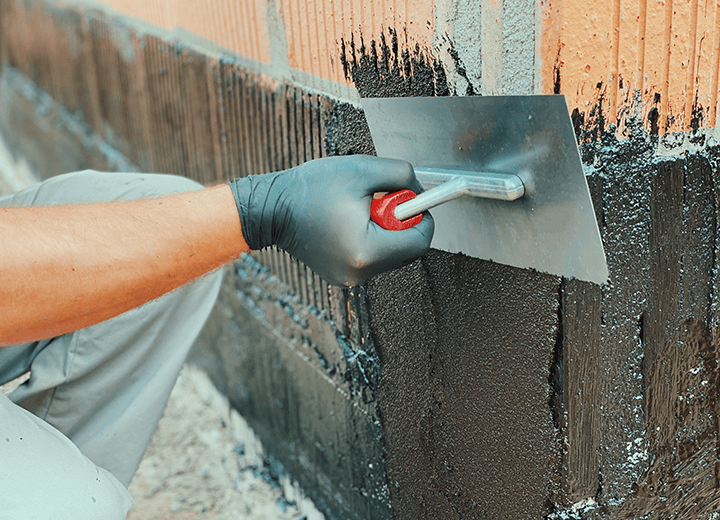
Masonry Waterproofing NYC
Masonry waterproofing in NYC for brick and mortar walls that let water into your home or building. We find exactly where the water is getting in, repair the masonry that’s letting it through, and protect the wall with breathable materials that won’t trap moisture inside.
- Leak Source Found First
- Brick, Joint & Flashing Repairs
What Masonry Waterproofing Really Means
Masonry waterproofing is the work of stopping water from passing through a brick or stone wall into the building behind it. Brick is porous and was never meant to be completely watertight. Older walls handle rain by absorbing some of it and letting it dry out again, so real waterproofing means repairing the places where water gets in faster than the wall can dry.
That’s why a coat of sealer is rarely the answer on its own. In NYC, leaks through masonry almost always trace back to something specific, such as open mortar joints, cracked or spalled brick, a failed flashing at a window sill or lintel, or coping that lets water into the top of the wall. Fix those, and most leaks stop. Paint over them with a heavy coating, and the water gets trapped inside the brick, where it causes the spalling and damage that brought you here in the first place.
Stopping Leaks Through Brick Walls in NYC
Water inside a wall rarely shows up where it came in. A stain on a third-floor ceiling can start at a parapet, and a damp patch by a window can start at an open joint several feet above it. We treat every masonry leak as a problem to trace, not a spot to patch, so the repair lands where the water actually enters.
Finding the Entry Point
Close inspection and controlled water testing to pin down exactly where the wall is letting water through.
Repairing the Masonry
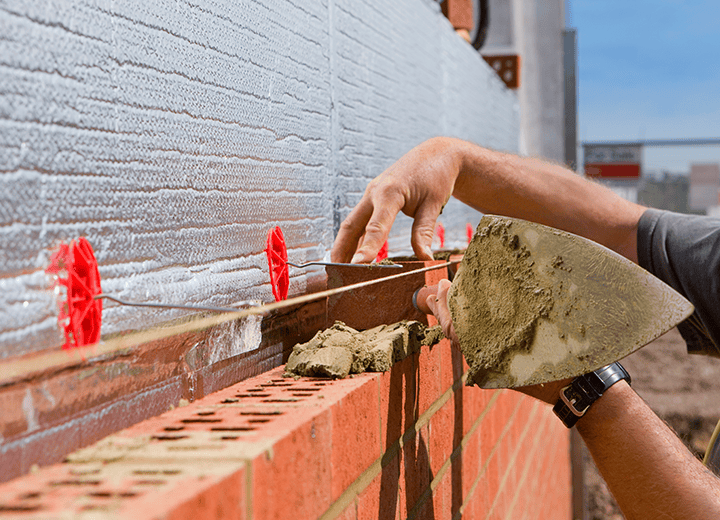
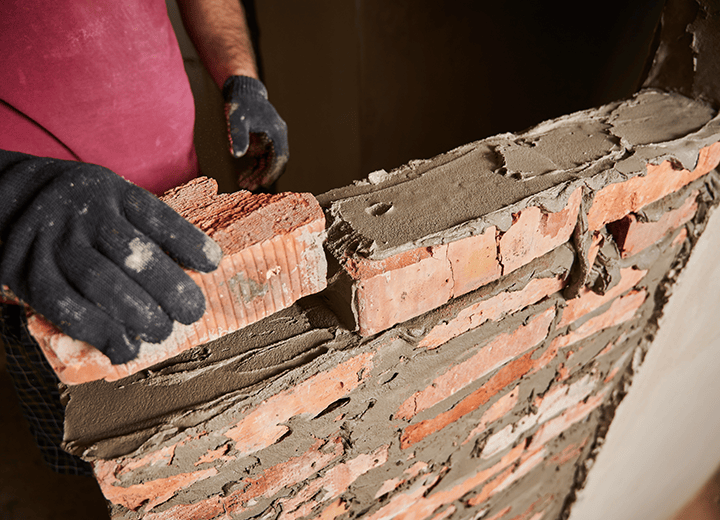
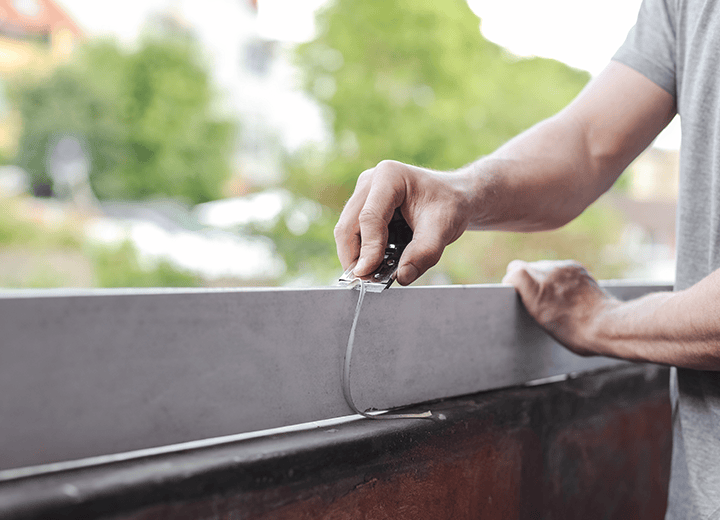
Open joints repointed, damaged brick replaced, and failed flashings at sills, lintels, and coping restored.
Breathable Protection
Where a wall needs it after repairs, a penetrating water repellent that lets the brick dry instead of sealing moisture in.
Clues That Water Is Getting Through Your Walls
Masonry leaks can take a long time to show inside, and by the time a stain appears, water has usually been moving through the wall for a while.
These clues, inside and out, point to water getting through the brick rather than coming from the roof or plumbing.
Damp or Stained Exterior Walls Inside
Marks on the inside face of an outside wall.
White Powder on the Brick
Salt deposits left behind as water moves through the masonry.
Leaks Only in Windy Storms
Water that shows up only when rain is driven sideways.
Peeling Paint or Bubbling Plaster
Finishes lifting on walls that face the weather.
Leaks Below Window Sills
Water appearing under windows after heavy rain.
Musty Rooms Along Exterior Walls
Persistent damp smells in rooms with outside brick walls.
How We Track Down and Stop Masonry Leaks
Leak work goes wrong when the fix comes before the diagnosis. Ours always starts with finding the source.
01
Inside & Outside Survey
We map the damage inside and inspect the wall outside, from the base to the coping.
02
Controlled Water Testing
Sections of wall are tested one at a time to confirm where water is getting in.
03
Masonry Repairs
Joints, brick, and flashings at the entry points are repaired properly.
04
Recheck & Protect
Repaired areas are checked, and a breathable repellent is applied only where it helps.
NYC Rules to Know Before Waterproofing Masonry
A leak isn’t just a maintenance problem in New York City. Depending on the building, it can also be a legal one.
Leaks in Rental Buildings
In buildings with three or more apartments, NYC's Local Law 55 requires owners to fix the underlying causes of mold, and leaks through the walls are a common one.
Landmarked Facades
On landmarked buildings and in historic districts, coatings and repellents change how a facade looks and weathers, so they generally need LPC review.
FISP Buildings
On buildings over six stories, water getting into the masonry is often behind the conditions listed in FISP reports.
Masonry Waterproofing Cost in NYC Depends on the Source
Because every leak has a different cause, the price follows what the testing finds, not a flat rate per wall.
Number of Entry Points
One open joint versus problems spread across the wall.
Type of Repair
Repointing, brick replacement, or flashing work at sills and lintels.
Wall Height & Access
Ground-floor walls versus upper floors needing staging.
Testing & Protection
Water testing, and whether a repellent is needed after repairs.
Why Owners Call Us When Other Leak Fixes Failed
Many of the walls we work on have already been caulked, painted, or sealed by someone else, and they’re still leaking. The difference is where we start.
Source Before Solution
No repairs until we know where the water enters.
Breathable Materials Only
Nothing that traps water inside the brick.
Repairs, Not Just Coatings
The masonry is fixed first, every time.
Honest About the Source
We tell you if the leak is coming from somewhere other than the wall.
What Owners Say About Our Masonry Leak Repairs
4.6 /5
“We kept getting moisture through one exterior masonry wall during heavy rain. The problem areas were repaired first and the waterproofing work was completed very neatly.”
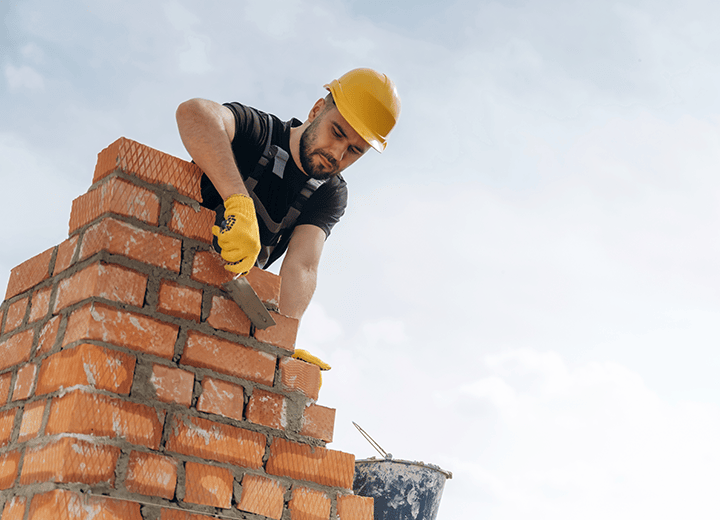
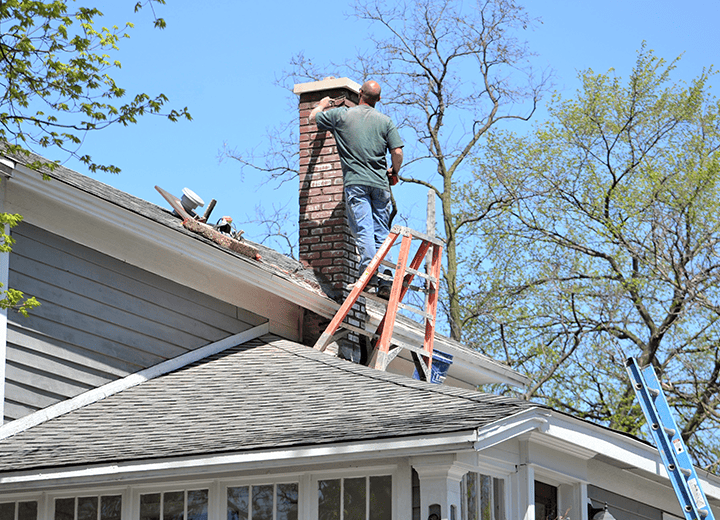
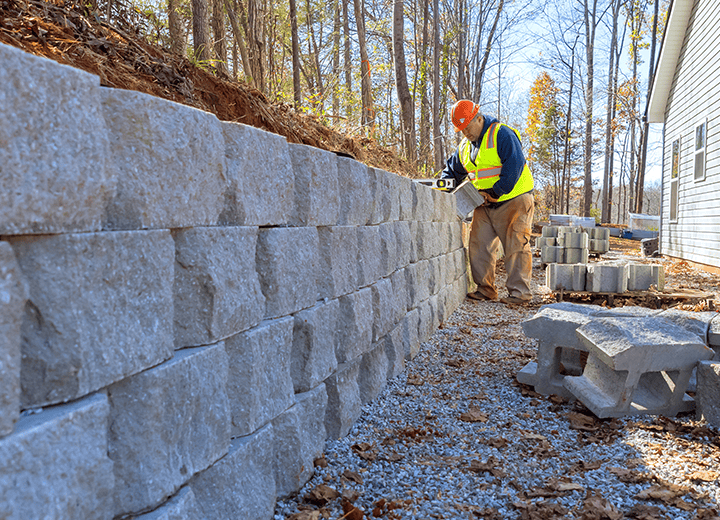
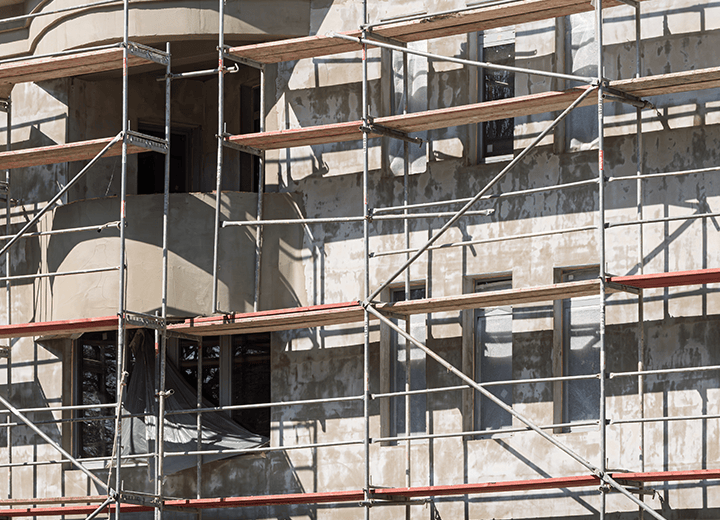
Masonry Waterproofing Projects in NYC
Related Masonry Services in NYC
Masonry Waterproofing Across NYC & Westchester
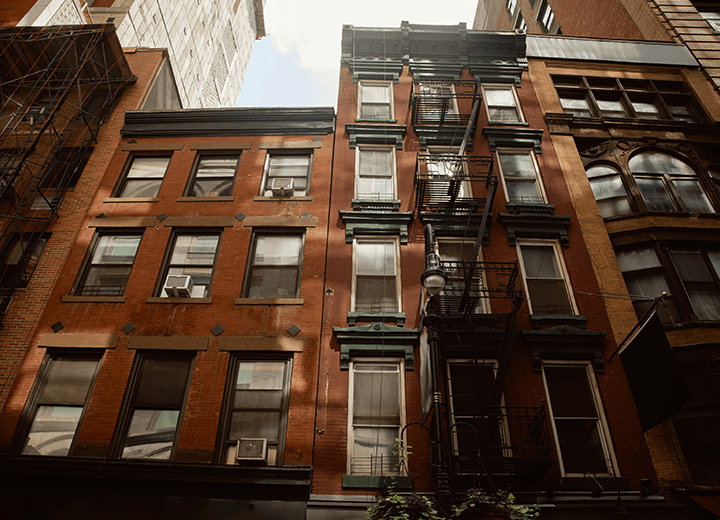
We trace and stop leaks through brick and stone walls on houses, row homes, and apartment buildings in four NYC boroughs and Westchester County.
- Bronx
- Brooklyn
- Manhattan
- Queens
- Westchester
Masonry Waterproofing FAQs
Wind drives rain sideways into the wall with much more force than normal rain. Open mortar joints, cracks, and gaps around sills that stay dry most of the time will let water through under that pressure. It's one of the clearest signs the masonry itself needs repair.
Film-forming coatings and paints usually do more harm than good on brick, because they trap moisture inside the wall and lead to spalling. After the masonry is repaired, a breathable penetrating repellent can help some walls shed water, but it's never a substitute for fixing the joints, brick, and flashing.
We start with a close inspection inside and out, then test the wall with water in controlled sections, one area at a time, until the leak shows up inside. That tells us exactly which part of the wall needs work.
It's a sign of moisture. The white powder, called efflorescence, is salt carried to the surface as water moves through and evaporates from the masonry. It isn't damage on its own, but it shows the wall is taking on water.
This service covers brick and stone walls above ground. Below-grade waterproofing for basements and foundations is a different kind of work, and if our inspection shows the water is coming from below grade, we'll tell you honestly.