
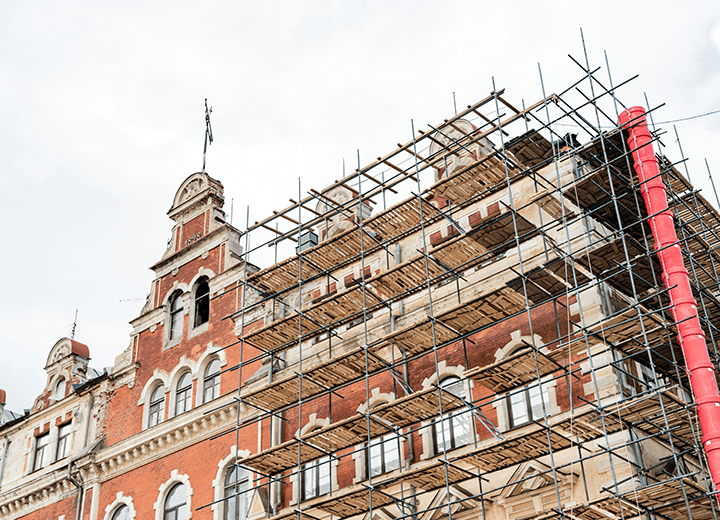
Local Law 11 Facade Repair NYC
Local Law 11 facade repair in NYC for the masonry work in your FISP report. We repair brick, repoint joints, rebuild parapets, and replace lintels on buildings over six stories, working with your inspector from the report to close-out.
- Licensed and Insured
- We Work With Your QEWI
Table of Contents
ToggleWhat Is Local Law 11 Facade Repair?
Local Law 11, now officially called the Facade Inspection & Safety Program (FISP), requires owners of NYC buildings taller than six stories to have their exterior walls inspected every five years by a licensed engineer or architect. That inspector files a report with the Department of Buildings and classifies the facade as Safe, Safe With a Repair and Maintenance Program (SWARMP), or Unsafe.
Local Law 11 facade repair is the work that follows the report. When the inspector lists deteriorated brick, open mortar joints, unstable parapets, or cracking around lintels, those conditions have to be repaired by the deadline in the report. We’re the masonry contractor who does that work, turning the inspector’s findings into completed repairs so the building can move back to a Safe filing.
FISP Masonry Repairs We Handle in NYC
Most conditions in a FISP report on a brick building are masonry conditions. Water gets into the wall through worn joints and cracked brick, freezes over the winter, and slowly loosens the masonry until it becomes a risk to people on the sidewalk below. We repair the masonry items in your report the right way, so the same conditions don’t come back in the next cycle.
Brick & Mortar Repairs
Spalled and loose brick replaced and worn joints repointed through brick repair and brick pointing.
Parapets & Coping
Cracked, leaning, or loose parapet walls and coping stones repaired or rebuilt.
Lintels & Window Heads
Rusting steel lintels that crack the brick above windows replaced.
Masonry Conditions Flagged in FISP Reports
QEWIs look at the whole facade, but on brick and stone buildings a handful of masonry conditions show up again and again in reports.
If your report lists any of these, or you can see them from the street, they should be scoped and scheduled well before your repair deadline.
Spalled or Loose Brick
Brick faces breaking off or bricks shifting in the wall.
Cracks at Window Heads
Stair-step cracks and displaced brick above windows.
Cracked Stone Trim
Broken sills, lintels, and coping stones on the facade.
Open Mortar Joints
Joints worn deep enough to let water into the wall.
Unstable Parapets
Parapets that are cracked, leaning, or losing coping.
Previous Patch Failures
Old repairs that have cracked, loosened, or pulled away.
How Our Local Law 11 Repairs Work
FISP repairs have more moving parts than regular masonry work, so we follow the same four steps on every building.
01
Report Review
We go through the FISP report and photos with your QEWI and walk the facade.
02
Scope & Setup
A written scope and quote, plus the permits, scaffolding, and sidewalk protection the job needs.
03
Masonry Repairs
Brick, pointing, parapet, and lintel repairs completed to the scope.
04
Close-Out Support
Photos and documentation provided so your QEWI can confirm the conditions were corrected.
NYC Rules Behind Local Law 11 Repairs
Local Law 11 comes with its own set of roles and rules. Here’s what matters most for the repair side.
The QEWI Files, We Repair
Only a Qualified Exterior Wall Inspector can inspect and file FISP reports. Our job is the repair work those reports call for.
Parapet Observations
DOB rules also call for regular parapet observations on many buildings, and unlike FISP inspections, these can be carried out by masons.
Protection and Permits
Work over the sidewalk needs proper pedestrian protection, and scaffolding and sidewalk sheds need their own permits.
| Building Type | Requirement |
|---|---|
|
Buildings taller than six stories |
FISP inspection by a QEWI every five years, with a report filed with DOB |
|
New buildings taller than six stories |
First report due in the cycle that falls on the fifth anniversary of the first Temporary Certificate of Occupancy |
|
Buildings with a raised basement or cellar |
A basement or cellar that is half above grade counts as a floor when measuring height |
|
Buildings six stories or fewer |
Not covered by FISP, though owners must still keep exterior walls safe |
Which NYC Buildings Must Comply With Local Law 11
In New York City, owners of buildings greater than six stories must have the exterior walls and appurtenances inspected every five years and a technical facade report filed with the Department of Buildings. The inspection has to be done by a Qualified Exterior Wall Inspector, who is a New York State licensed Professional Engineer or Registered Architect with at least seven years of relevant experience.
Height is where many owners get caught out. A building that looks like six stories can still fall under the law if its basement or cellar sits half above grade. If you’re not sure whether your building qualifies, your QEWI can confirm it before the filing window opens.
The FISP Timeline From Inspection to Close-Out
-
Inspection and Classification
Every five-year cycle is split into sub-cycles based on the building's block number. During your window, the QEWI examines the facade and files a report classifying it as Safe, SWARMP, or Unsafe.
-
Repairs by the Deadline
For SWARMP conditions, the report sets a completion date between one and five years out, and the owner must finish repairs by then. Unsafe conditions need immediate protection and repair, and civil penalties can begin 90 days after the initial Unsafe report unless an accepted extension is in place.
-
Close-Out
Once the repairs are done, the QEWI confirms the corrections with DOB. SWARMP conditions can't be carried over as SWARMP into the next cycle, so repairs left undone are reported as Unsafe.
What Affects Local Law 11 Repair Cost in NYC
Every FISP report is different, so we price the repairs from your report and a walk of the facade. These four factors matter most.
Scope in the Report
The number and type of masonry conditions listed.
Height & Access
Scaffolding, hanging scaffolds, or sidewalk sheds needed to reach the work.
Material Matching
Brick, stone, and mortar matched to the existing facade.
Landmark Requirements
Extra review and materials for landmarked buildings and historic districts.
Why Owners Choose Us for Local Law 11 Repairs
FISP repairs are judged twice, once by your inspector and again in the next cycle. We do masonry repairs that satisfy the QEWI now and hold up for the five years after.
Scope That Matches the Report
Every listed masonry condition addressed, nothing missed.
Masonry Specialists
Brick, pointing, parapets, and lintels are our core work.
QEWI Coordination
We work directly with your engineer or architect throughout.
Deadline Planning
Repairs scheduled around your SWARMP date, not left to the last month.
What Building Owners Say About Our FISP Work
4.6 /5
“We needed façade repairs completed after issues were identified during our building inspection. The team explained the required masonry work clearly and handled everything in an organized and professional way.”
Recent Local Law 11 Masonry Projects in NYC
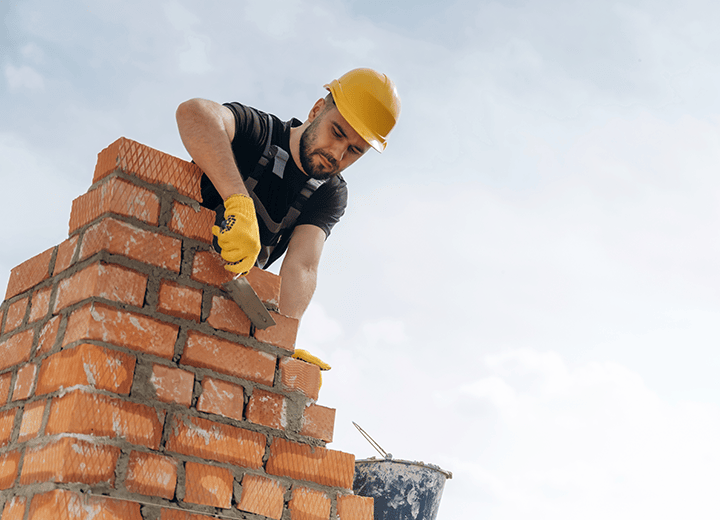
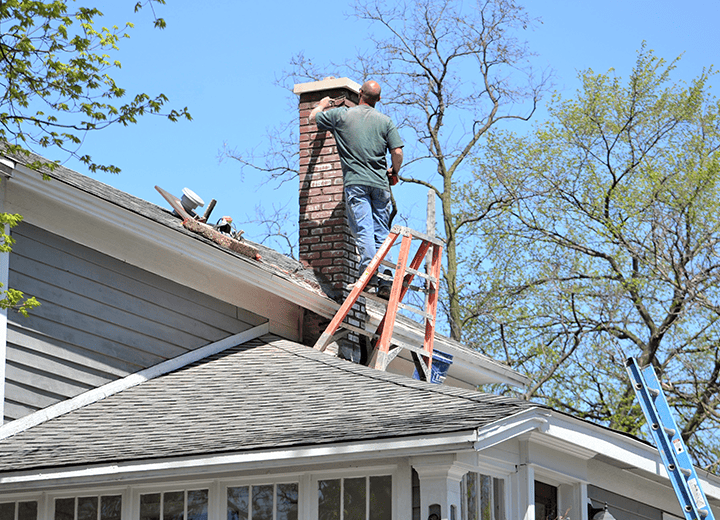
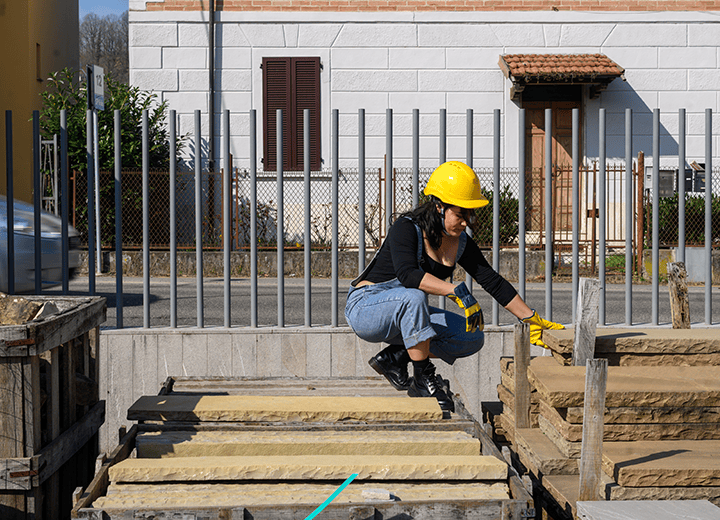
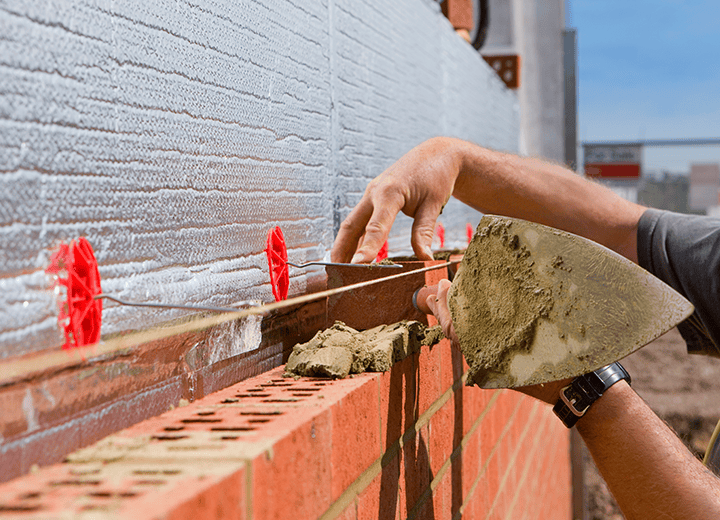
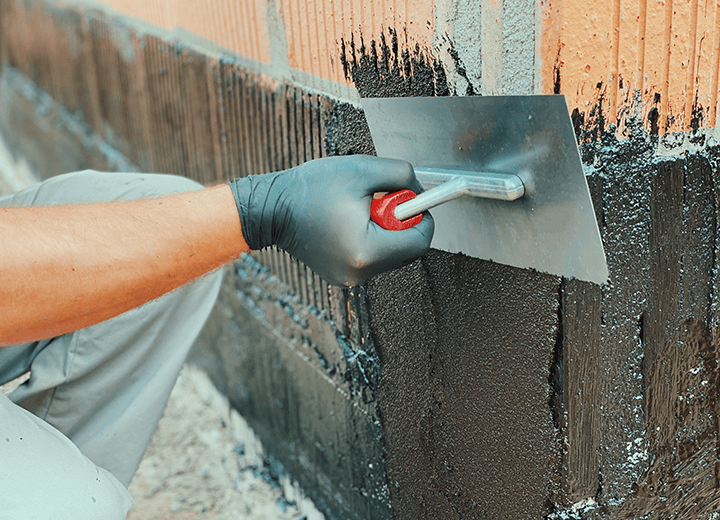
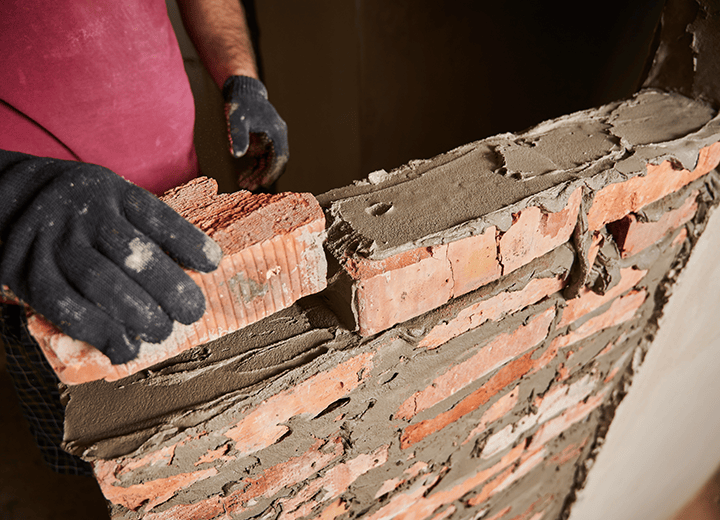
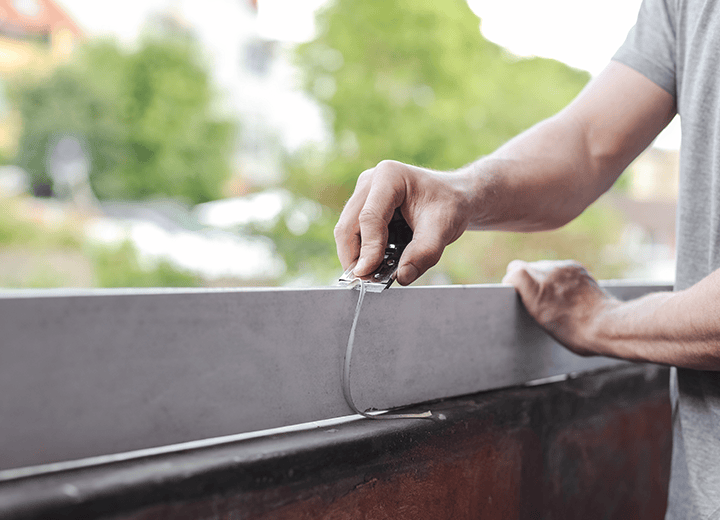
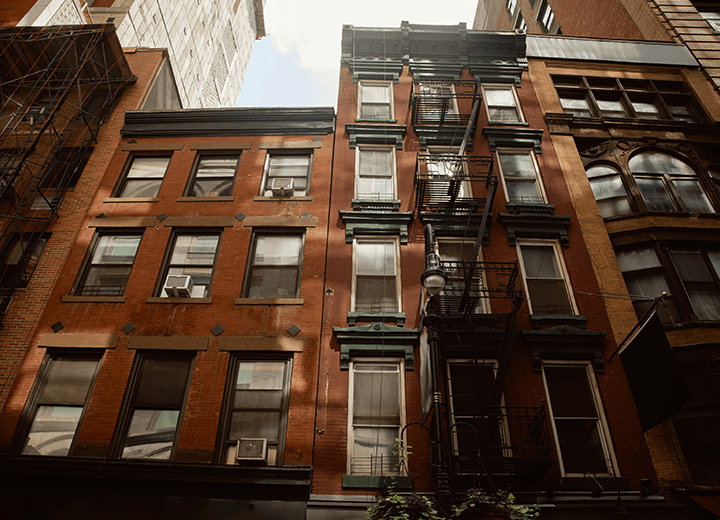
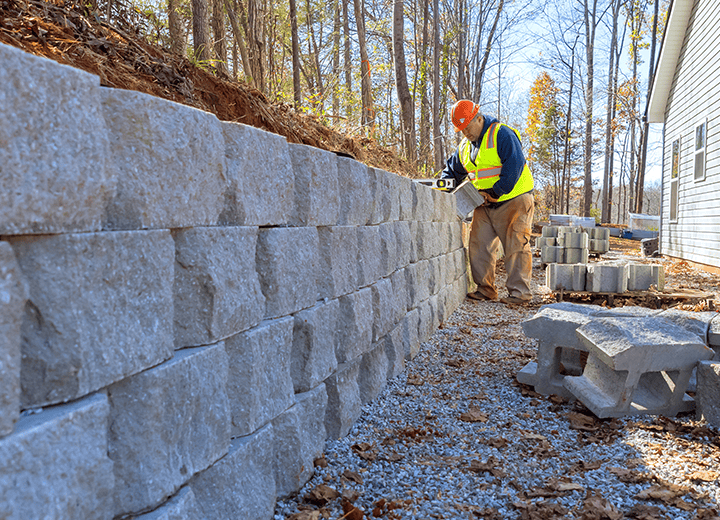
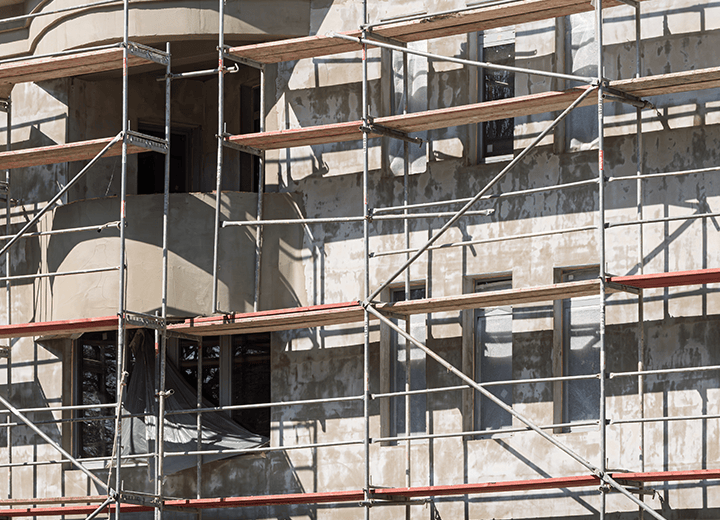
Local Law 11 Repairs Across NYC
We handle Local Law 11 masonry repairs throughout Manhattan, Brooklyn, Queens, and the Bronx. Local Law 11 is a New York City rule and doesn’t apply in Westchester, where we handle facade masonry under local requirements.
- Bronx
- Brooklyn
- Manhattan
- Queens
Local Law 11 Facade Repair FAQs
It applies to NYC buildings taller than six stories. A basement or cellar that is half above grade counts as a floor, so some buildings that look like six stories are covered. Your QEWI can confirm whether your building qualifies.
No. FISP inspections and reports must be done by a Qualified Exterior Wall Inspector, a licensed engineer or architect. A masonry contractor like us completes the repairs the report calls for and works with your inspector through close-out.
The owner must complete SWARMP repairs by the date in the report. The same conditions can't be reported as SWARMP again in the next cycle, so anything left unrepaired is reported as Unsafe, which brings stricter requirements and possible penalties.
Yes. Owners are liable for civil penalties starting 90 days from the date the initial Unsafe report is filed, unless the period is covered by an accepted extension request. That's why Unsafe repairs should be scoped and started as soon as possible.
It depends on the scope, the building's height, and the access needed. Small repairs can take days, while larger programs with scaffolding can take weeks or more. Starting early leaves room for permits, matching materials, and weather.